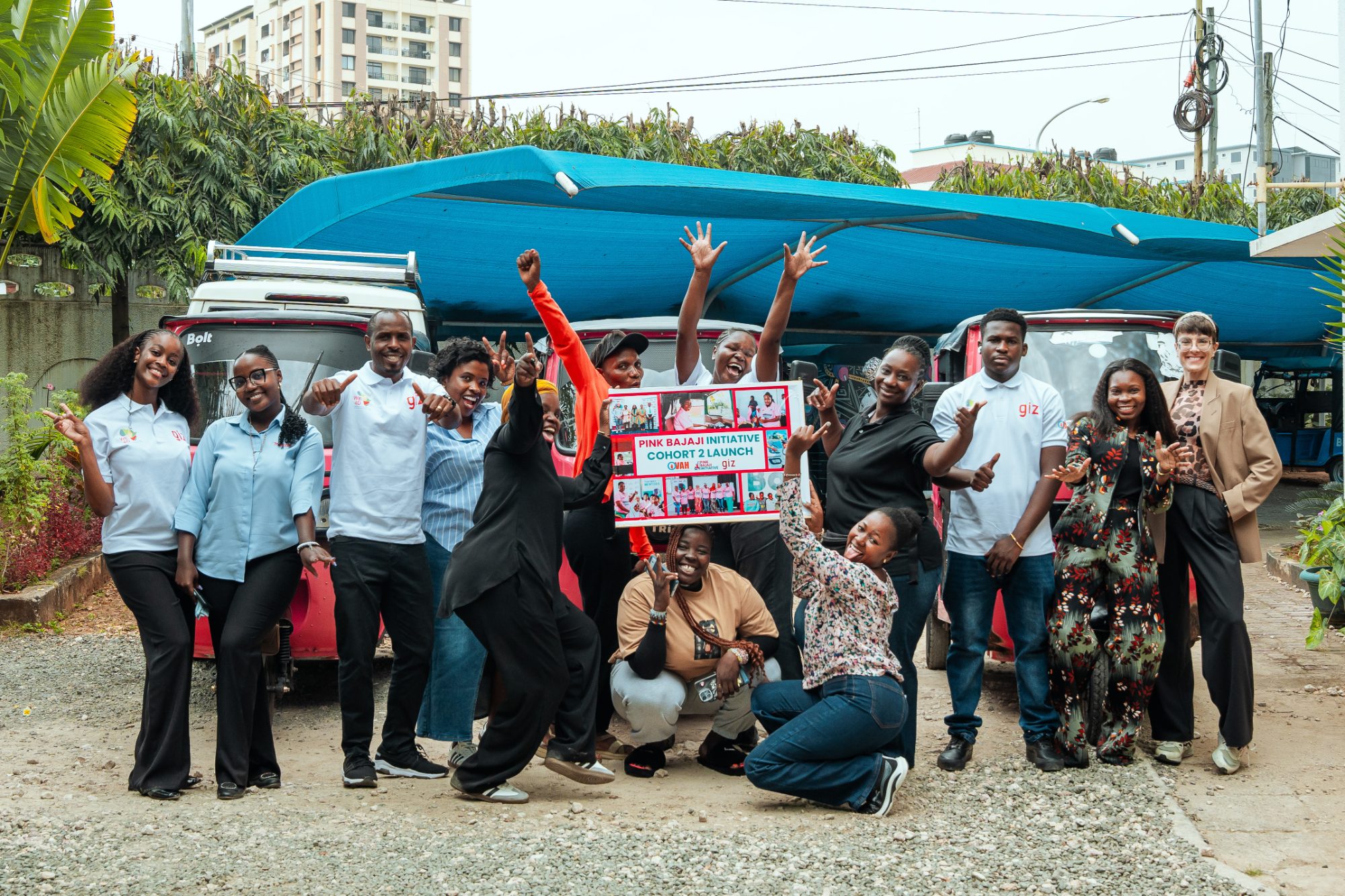
From 20 to 40 Women: BMZ Delegation Visit Marks the Launch of Pink Bajaji Initiative Cohort Two
On 15 August 2026, the Pink Bajaji Initiative reached an important milestone as OVAH Tanzania welcomed a delegation from Germany’s Federal Ministry for Economic Cooperation and Development (BMZ) and officially launched Cohort Two of the initiative.
The visit was more than an opportunity to present the Pink Bajaji Initiative. It allowed the delegation to experience the model in action, meet the women behind it, and see how investment in women-led e-mobility can simultaneously advance economic empowerment, safer transportation, gender equality, and Tanzania’s transition towards greener mobility.
The visit was facilitated through GIZ Tanzania’s Employment Promotion for Women for the Green Transformation in Africa (WE4D) Programme, which is supporting women’s employment and entrepreneurship within green sectors across six African countries. In Tanzania, WE4D is implementing an e-mobility project in partnership with CRDB Foundation and in collaboration with stakeholders including Tri Company Limited and OVAH Tanzania through the Pink Bajaji Initiative.
Experiencing Women-Led E-Mobility Firsthand
Rather than only hearing about women’s participation in e-mobility, the delegation experienced it directly.
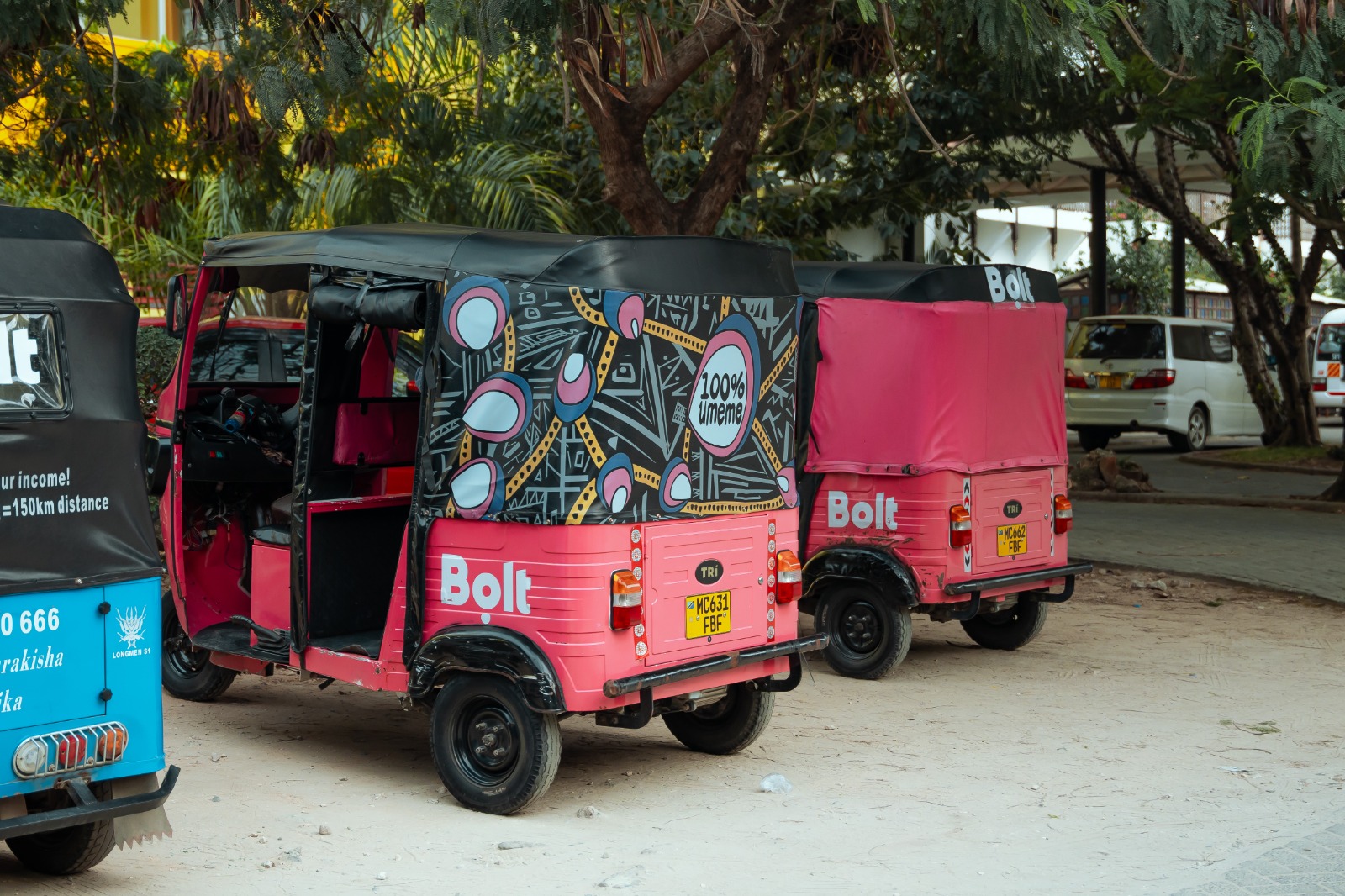
Women drivers, including participants from the Pink Bajaji Initiative, operated electric three-wheelers used to transport members of the BMZ delegation across locations in Dar es Salaam during the visit.
For OVAH, this was a powerful representation of what the Pink Bajaji Initiative seeks to achieve: women confidently occupying a sector where they have historically been underrepresented—not simply as passengers, but as professional drivers, entrepreneurs, vehicle owners, and contributors to the future of urban mobility.
It also created an opportunity for the women themselves to be visible at the centre of the conversation about green transportation.

A Model That Is Already Changing Women’s Lives
The Pink Bajaji Initiative, also known as Move with Pink, is OVAH Tanzania’s flagship women’s economic empowerment and safe mobility programme. It was created in response to two interconnected challenges: the sexual harassment women experience within public transportation and the limited economic opportunities available to women.
Through professional driving skills, financial literacy, business management training, SGBV prevention, and access to income-generating electric Bajaji, the initiative is creating pathways for women to build sustainable livelihoods while contributing to safer transportation services.
The first cohort has provided important evidence of what this model can achieve.
Eighteen women completed professional driving training through VETA, 17 graduated, and 50% obtained commercial driving licences. Eight women are currently operating Pink Bajaji vehicles, collectively providing safer transport services to more than 2,000 passengers across Dar es Salaam every month.
The women have also established the Binti Usukani Group, a registered cooperative supporting collective ownership, accountability, savings, and long-term sustainability. Participating women have recorded an average increase of more than 507% in their daily earnings, demonstrating the economic potential created when women are given the skills and resources to participate meaningfully in transport.
Behind these numbers are women whose lives and families are changing. Participants who previously depended on irregular informal work or family members are now earning their own incomes, supporting their households, paying school fees, accessing healthcare, and rebuilding confidence through dignified employment.
Cohort Two: Taking the Pink Bajaji Initiative from 20 to 40 Women
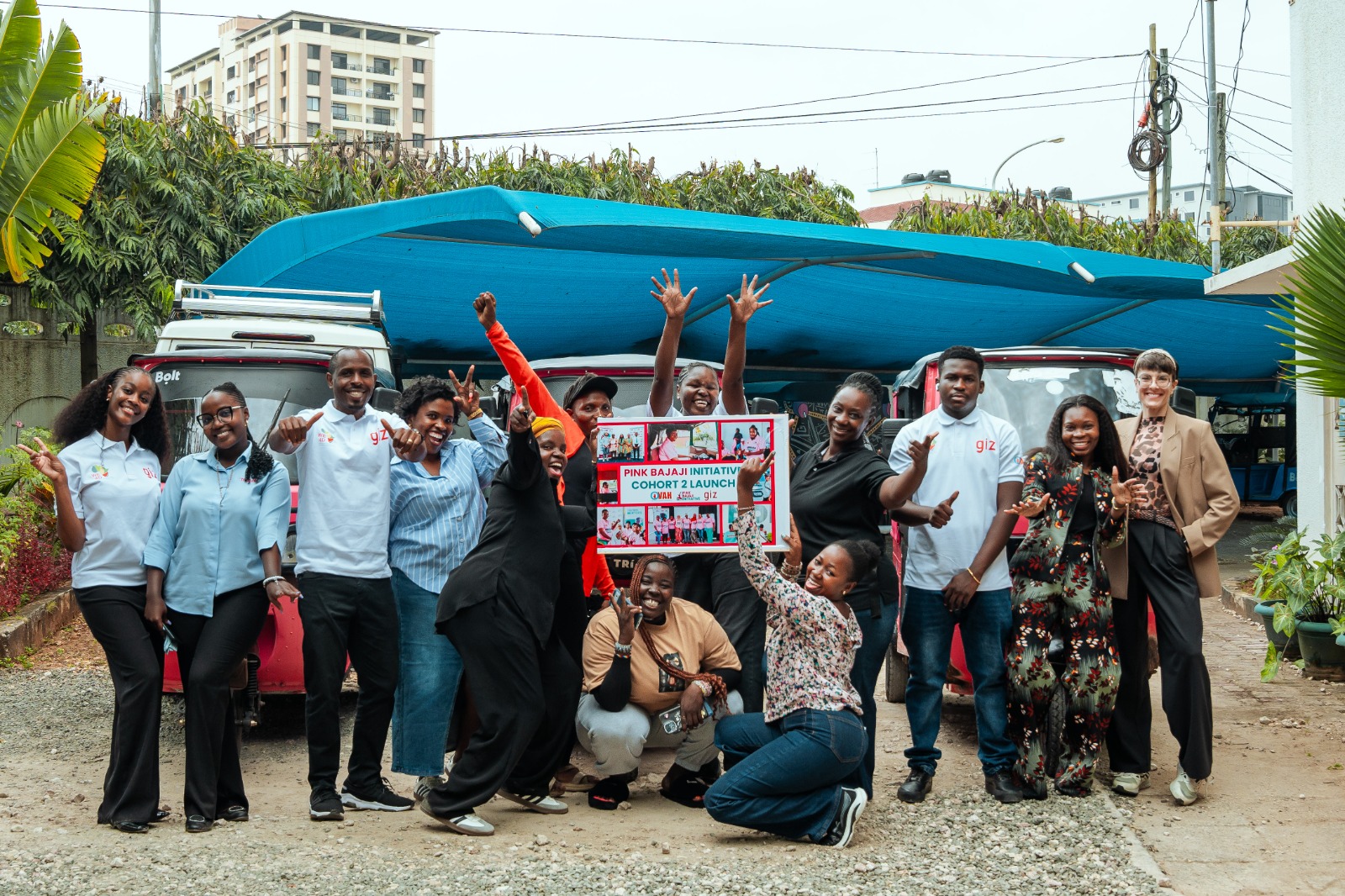
Building on these results, the BMZ delegation visit provided an important moment for OVAH to mark the next chapter of the programme: Pink Bajaji Initiative Cohort Two.
With Cohort Two, OVAH is working to double the programme from 20 to 40 women, creating opportunities for another group of women to access professional driving training, commercial licences, mentorship, financial and business skills, and pathways into electric mobility.
The ambition goes beyond increasing participant numbers.
OVAH is working towards building one of Tanzania’s largest women-led transport networks by increasing the number of women drivers and electric vehicles, strengthening the cooperative model, improving women’s access to finance and vehicle ownership, and creating thousands of safer journeys for women and girls.
Launching Cohort Two during the delegation visit therefore represented both a celebration of how far the first cohort has come and a commitment to ensuring that more women can access the same opportunity.
Women Must Be at the Centre of the Green Mobility Transition
Tanzania’s transition towards electric and sustainable transportation presents an opportunity to do more than change the vehicles on our roads. It creates an opportunity to reconsider who participates in, benefits from, owns, and leads the mobility systems of the future.
Women cannot be an afterthought in that transition.
The Pink Bajaji Initiative demonstrates that investing in women-led mobility can contribute to safer cities, stronger local economies, greater gender equality, and climate-friendly urban transportation. Women should therefore not be viewed only as beneficiaries of the green transition; they can be active drivers of it.
This is why partnerships across government, development institutions, financial institutions, the private sector, and civil society remain essential. Training women to drive is an important starting point, but sustainable participation requires continued investment in financing, vehicle ownership, professional development, safety, enabling systems, and access to opportunities.
Driving the Next Chapter Together
OVAH Tanzania extends its appreciation to BMZ and GIZ Tanzania through the WE4D Programme for creating an opportunity for the Pink Bajaji women drivers to participate meaningfully in the delegation visit and for providing a platform to mark the launch of Cohort Two.
Most importantly, we celebrate the women whose determination continues to demonstrate what becomes possible when women are given a meaningful opportunity to enter and thrive within sectors where they have historically been underrepresented.
The first cohort showed us what is possible.
Now, Cohort Two is about taking that impact further—from 20 to 40 women, from individual opportunities to a growing women-led transport network, and from women participating in mobility to women helping shape its future.
As Tanzania moves towards greener transportation, OVAH will continue working towards a future where women are not watching the transition happen from the sidelines.
They are in the driver’s seat.
Written by Modesta Joseph